Our Work
Recent Projects
A few recent driveways, patios, and repairs poured around Los Angeles.
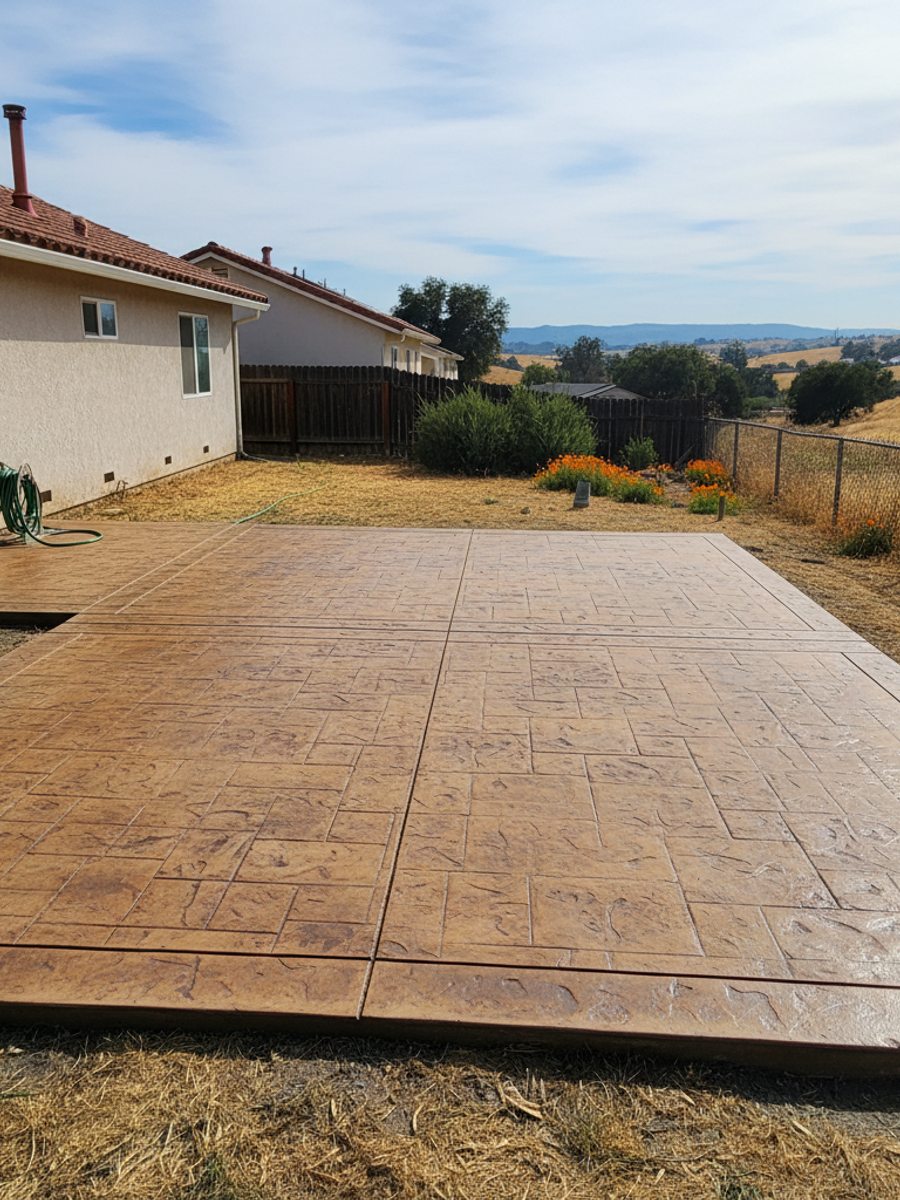
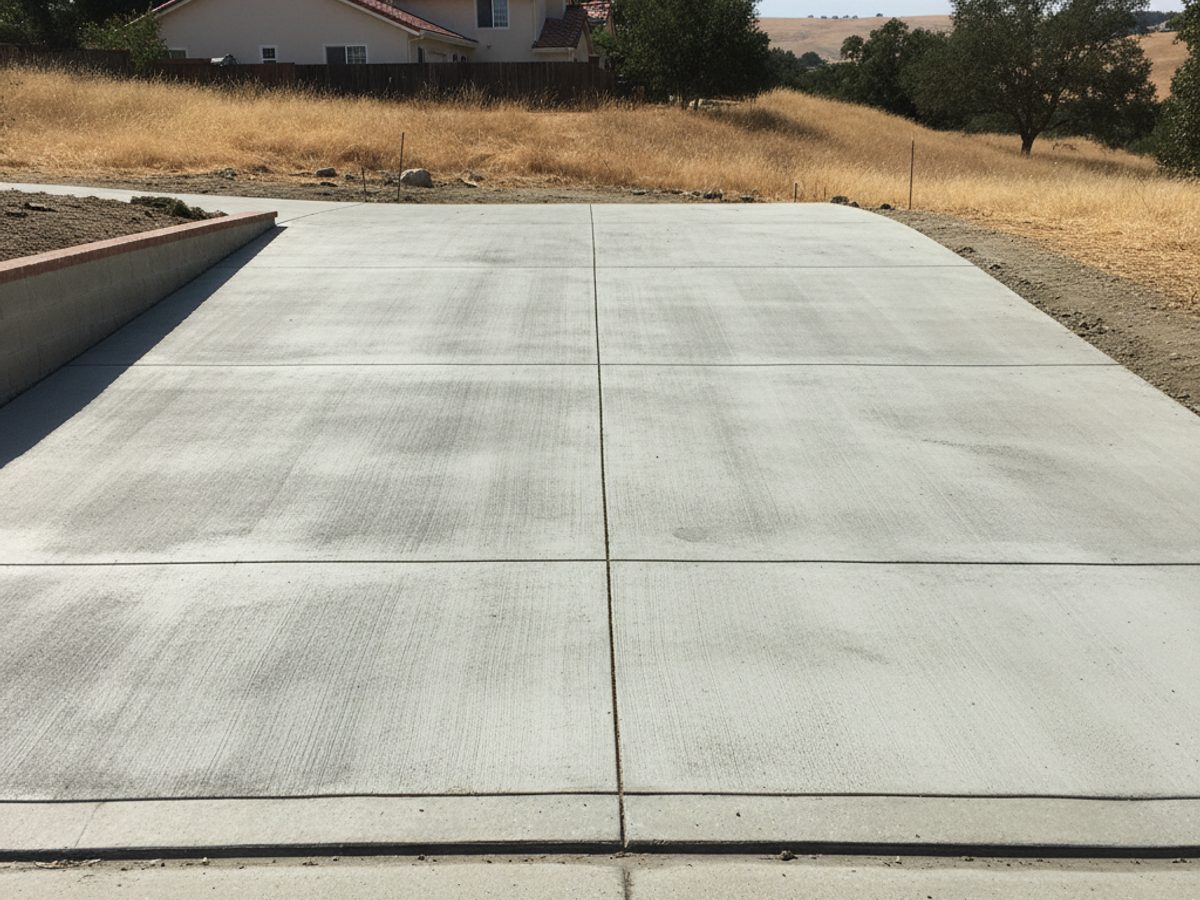
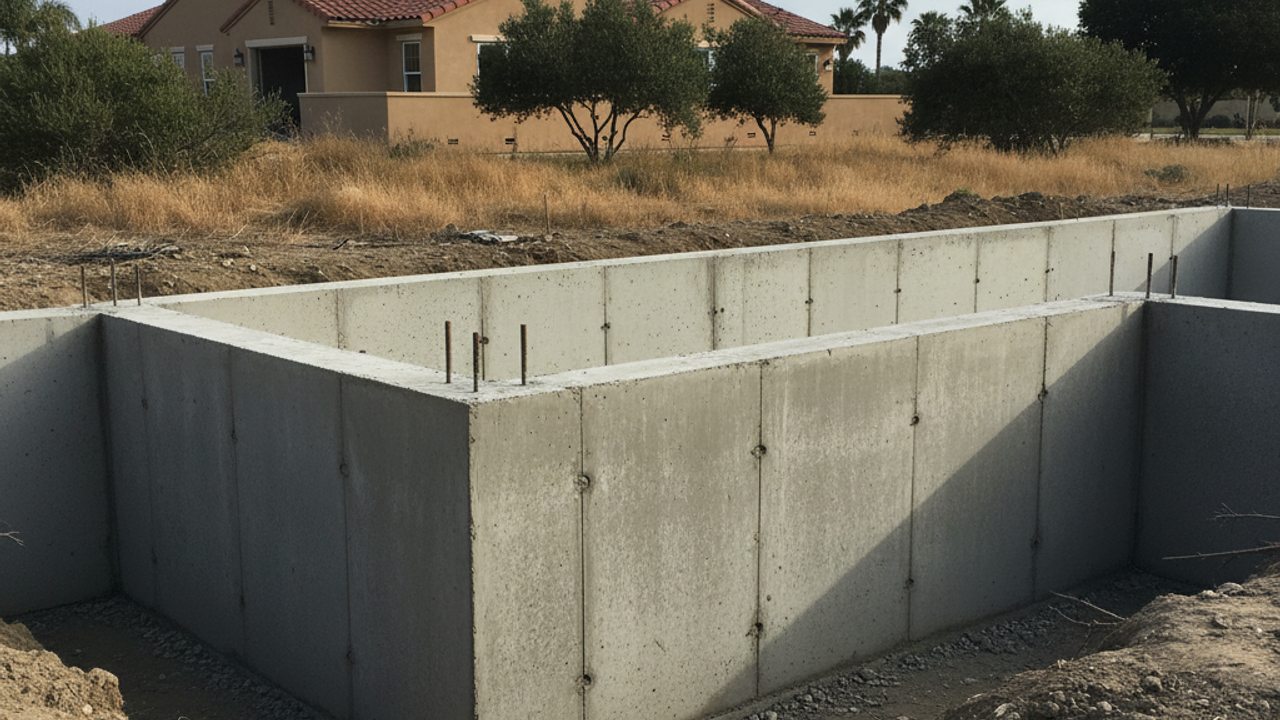
Every job below is one we do ourselves across Los Angeles.
We pour driveways with a compacted aggregate base underneath and rebar tied through the slab, not wire mesh laid on top of the dirt. A standard driveway runs 4 inches thick, more if you're parking something heavier than a car. We keep the truck off it for at least seven days, longer before you park anything on it.
Patios get the same base prep as a driveway, just less reinforcement since there's no car weight to carry. We slope the finish away from the house so water doesn't sit against your foundation. Broom finish, exposed aggregate, or a stamped pattern, whatever fits how you use the space.
Stamped concrete gets colored and textured while it's still plastic, so the pattern is cast into the slab and not glued on top of it. We seal it after it cures to bring the color out and protect it from fading unevenly in the sun. It costs more than a plain broom finish but a lot less than real flagstone or pavers.
Most cracked slabs in LA come from soil movement underneath, not bad concrete on top. We can mudjack or foam-lift a sunk section back to level in a lot of cases instead of breaking it all out. If the crack's structural or the slab's pitched wrong, we'll tell you it needs to come out rather than patch something that's going to fail again.
Front walkways and sidewalks need to meet a slope the city will sign off on, especially if yours ties into the public sidewalk. We pull the permit when the work touches city property. Control joints go in every few feet so any cracking happens in a straight line you don't notice.
Steps take a beating, wet shoes, temperature swings, kids jumping off the top one. We reinforce them heavier than a flat slab and give the edges a tooled radius so they don't chip the first winter.
We pour footings and slab foundations for additions, ADUs, and small structures. Depth and rebar spacing follow the engineer's plan and the soil report, not a guess. This is inspected work, and we schedule around the inspector, not around us.
A retaining wall holds soil back, which means it's fighting pressure the whole time it stands there. We size the footing and the rebar for the height of the wall and the soil behind it, and we put drainage behind it so water doesn't build up and push it over.
Pool decks get a broom or knockdown finish so they're not slick when wet. We keep the slope moving water toward the drains instead of back at the coping. Expansion joints go in around the pool shell itself, since the deck and the pool move independently.
If your existing slab is sound but ugly, cosmetically cracked, or just dated, an overlay can refinish the surface without a full tear-out. It's a thin layer bonded to the old concrete, so it only works if that old slab isn't heaving or badly cracked underneath.
Four steps, and no surprises in any of them.
You tell us what you want doing, we look at what is actually there, and we ask the awkward questions early.
In writing, itemised, free. If something might add cost later we flag it now rather than at the end.
Same crew throughout. We cover your floors, keep the dust down and tidy up before we leave each day.
You point out anything you are not happy with and we fix it before the invoice, not after.
A few recent driveways, patios, and repairs poured around Los Angeles.
Concrete work available across Los Angeles and the communities within about 50 miles of it.
Questions that come up once a concrete project is actually underway.
Describe the problem and we will tell you what it probably is. No obligation.